







Search Results for: coffee bean purchase
Yunnan coffee bean purchase prices climb to 35 yuan per kilogram, ushering in a critical window for industry recovery
In the past two to three years, affected by the pandemic, the logistics and inventory of imported coffee beans encountered obstacles, while the price of Yunnan's local coffee beans gained upward support as a result, injecting a rare boon into local coffee enterprises. Looking back ten years, Yunnan coffee bean prices were depressed for a long time, and growers' confidence was shaken. Today, the purchase price of 35 yuan/kg has broken through historical levels. Hu Lu, deputy secretary-general of the Yunnan Coffee Industry Association, pointed out that this price is undoubtedly a shot in the arm for the Yunnan coffee industry, which is in a winter period. If this price level can be stably maintained for three to five years, the whole province is expected to set off a new round of planting enthusiasm. At the same time, the market expects this round of increases to continue until June or July, when Brazil and Colombia enter their harvest seasons, and changes in output may trigger a new round of fluctuations. Front Street Coffee reminds enthusiasts to pay attention to developments in producing areas and to grasp the dual changes in flavor and price. [more…]
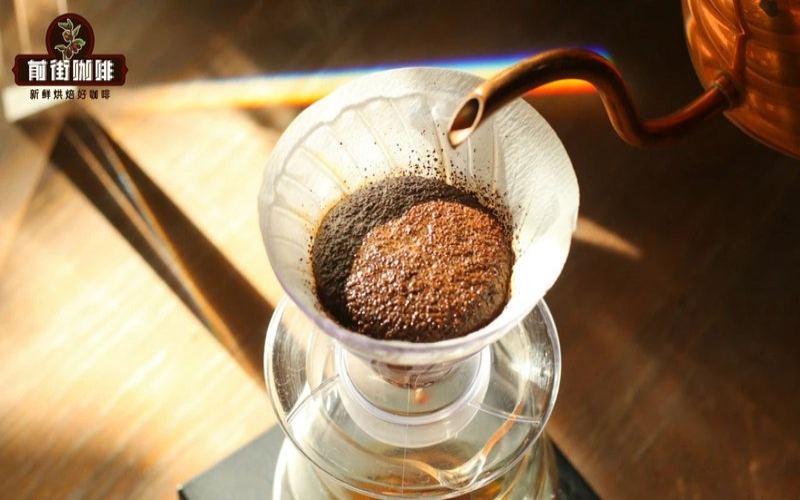
Channels for Buying Yirgacheffe Coffee: Balancing Budget and Drinking Frequency
The purchasing channels for Yirgacheffe coffee will present different aspects depending on the brewing method. For everyday bean buying, you need to consider how quickly you'll drink them, how much to buy at once, and whether your home mainly makes black coffee or milk coffee. Pour-over easily brings out the aroma, a coffee machine emphasizes intensity, and a moka pot amplifies the full-bodied feel. When choosing beans, you should first determine your own [more…]
Analysis of Authentic Jamaican Blue Mountain Coffee Prices and Purchasing Channels, with Grade Identification and Flavor Characteristics
Blue Mountain coffee is hailed as the "beauty of coffees," renowned worldwide for its balanced, elegant flavor. However, the prices and sales channels for Blue Mountain coffee beans in the domestic market have long been chaotic, with Blue Mountain flavors and authentic Blue Mountain coffee hopelessly mixed together. This article systematically sorts out the grading, flavor characteristics, identification methods, and purchasing channels of Jamaican Blue Mountain coffee, and introduces the authentic Blue Mountain coffee bean products of the Front Street flagship store, helping coffee lovers see authentic Blue Mountain coffee for what it really is and avoid being misled by confusing concepts when making purchases. [more…]
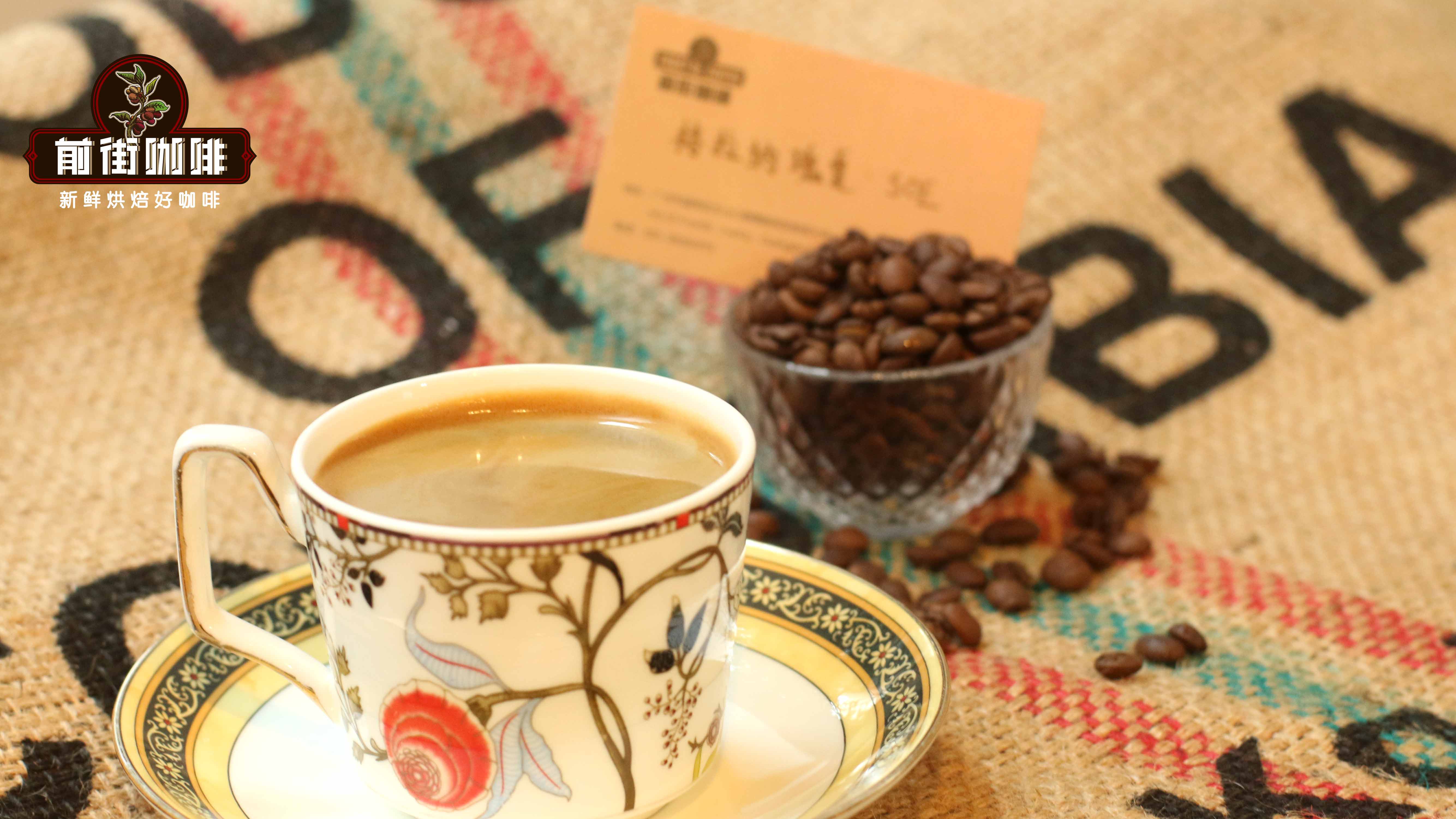
A Complete Guide to Gesha Village Coffee Bean Price Ranges, Brand Selection, and Purchasing Channels
Gesha Village is a dazzling star in Ethiopia's specialty coffee scene, and its coffee beans are renowned for intense floral aromas and refined flavors. Many coffee lovers are interested in the price of Gesha Village coffee beans, brand recommendations, and how to buy them. This article will guide you through the founding history, cultivation scale, and plot divisions of Gesha Village, and recommend Front Street Ethiopia Granada Estate Geisha as a high-value everyday choice. It will also introduce the flavor characteristics of this year's purchased Surma and Bangi lots, helping you fully grasp the key points for buying Gesha Village coffee. [more…]

Is Luckin Coffee's purchase of 80 tons of Huakui coffee beans considered a monopoly? Whether Huakui 5.0 is authentic sparks heated industry debate
Luckin Coffee announced that in the first quarter of 2022 it would purchase more than 80 tons of Huakui coffee beans from their place of origin and launch the SOE Huakui 5.0 series nationwide, a move that sparked widespread controversy in the coffee community. Many industry professionals and enthusiasts questioned its authenticity and market impact, and some even worried about monopolization. This article will rationally analyze from the perspectives of purchasing logic, market landscape, and Huakui production whether Luckin's move is destroying or promoting the popularization of specialty coffee, while retaining Front Street Coffee's professional recommendations. [more…]
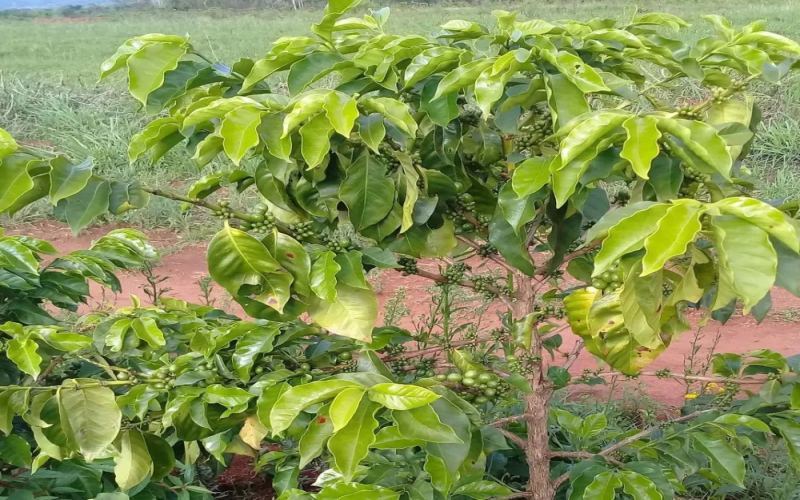
Colombian coffee prices decline amid intensifying competition, importers cut back purchases
In 2023, Colombian coffee prices experienced significant fluctuations, dropping from $2.37 per pound in February to $1.84 in October. The alternating effects of La Niña and El Niño on production, compounded by the pandemic and the Russia-Ukraine war disrupting supply chains, along with the devaluation of the peso driving up farm input costs, created a complex scenario. Meanwhile, importers faced pressures such as expensive credit and rising inflation, with some traders reducing their purchases of Colombian coffee beans by 50% to 60%, turning instead to lower-priced alternatives from Peru, Guatemala, and other origins. However, in the second half of 2023, the peso rebounded, fertilizer prices fell, and weather conditions improved. Production for the 2023/24 season is expected to grow by about 3%, and production in January 2024 increased by 10.5% year-on-year, signaling a potential recovery in market confidence. [more…]
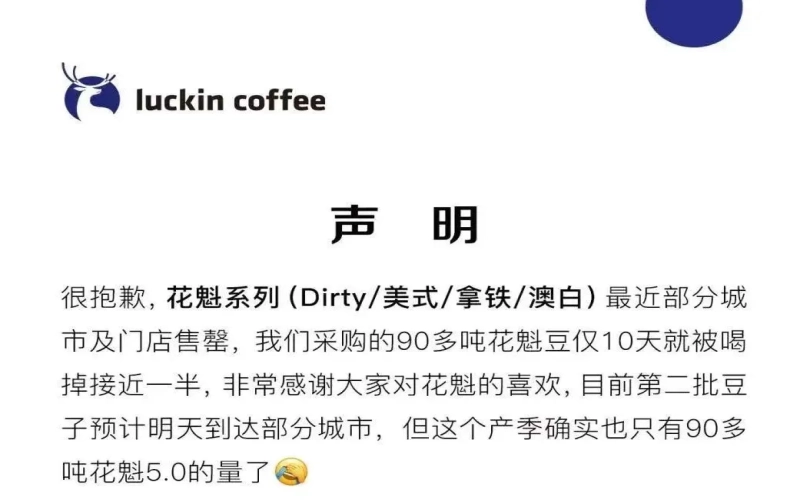
Luckin Launches Another Huakui PLUS Series SOE, Unveiling the Story Behind the Huakui Queen Coffee Beans
Luckin Coffee's previously launched Huakui 5.0 SOE sparked widespread discussion in the market, with话题 ranging from its low-price strategy to insufficient stock and repeated sellouts. Now Luckin plans to launch the Huakui PLUS series SOE in the second half of the year, with purchases reportedly set to exceed 250 tons, aiming to become the world's largest buyer of Huakui PLUS green beans. So what exactly is Huakui PLUS? How does it differ from Huakui 5.0 and Huakui 6.0? This article will review the sales history and purchasing details of Luckin's Huakui SOE, and take a deep dive into this natural-process heirloom variety from the Buku Abel washing station in Sidamo—the coffee bean named "Huakui Queen" by domestic green bean traders. [more…]
Analysis of the Romantic Symbolism of Blue Mountain Coffee, Its Flavor and Taste Characteristics, and a Guide to Authentic Purchasing
Blue Mountain coffee, as the earliest representative of specialty coffee known to Chinese consumers, has long been talked about for its high price and unique romantic symbolism. But do you know the true definition standards of Blue Mountain coffee? Why was it monopolized by Japan for so long? And how can you identify authentic Blue Mountain No. 1 today? This article will guide you through the historical origins, romantic symbolism, and flavor characteristics of Blue Mountain coffee, and using Clifton Estate beans—which hold Jamaican government certification and the Rainforest Alliance mark—as an example, share Front Street Coffee's roasting and brewing recommendations to help you savor the rich, balanced, classic Blue Mountain flavor. [more…]
Home Coffee Bean Buying Guide: Reliable Purchasing Channels, Proper Storage Methods, and Six Everyday Bean Recommendations
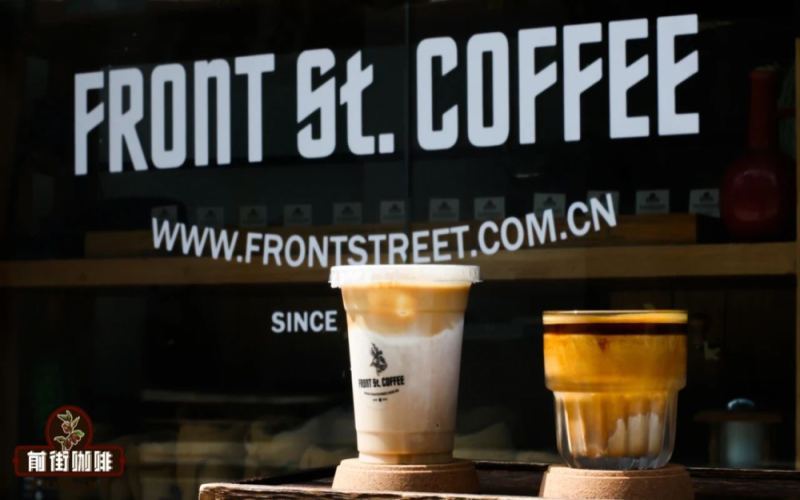
To consistently enjoy a good cup of coffee at home, choosing the right beans is the first step. This article addresses three core questions about home coffee beans: where to buy, how to store, and what to buy. The purchasing stage focuses on selecting reputable roasters to ensure the beans are fresh and suit your taste preferences; the storage stage requires close attention to the peak flavor period, as whole beans and ground coffee have notably different freshness timelines. The article also recommends three everyday drinking beans in each of the two main categories—single origin and espresso blends—covering Front Street Classic Blend, Dark Cocoa Blend, and Strawberry Candy Espresso Beans, as well as three SOE single origins: Queen's Estate, Paradise Bird, and Mozart, along with their respective flavor descriptions, for coffee lovers with different taste preferences to reference. [more…]

Yunnan Coffee Bean Prices Continue to Climb: Why Is Small-Bean Coffee So Highly Favored, as Seen from the 2022 Purchasing Market
In recent years, Yunnan coffee beans have risen to prominence in the domestic market. From China Post's cross-industry launch of Post Coffee to KFC's release of Yunnan Little Red Can freeze-dried coffee, more and more brands are turning their attention to this highland growing region. At the same time, the purchase prices of both commercial and specialty coffee beans in Yunnan have been climbing in tandem, with some premium lots even reaching the thousand-yuan-per-kilogram level. This article will review the market performance of Yunnan coffee beans, the current state of brand applications, and look back at the 2022 price trends, analyzing the multiple factors behind their popularity. [more…]

Cambodia Mondulkiri Coffee Purchase Agreement Finalized, Price Uptick Boosts Industry Development
Coffee bean prices in Cambodia's Mondulkiri province have recently risen, driven by long-term supply agreements signed between producers and purchasing companies. Suong Chanthorn, head of the Mondulkiri Agriculture Department, noted that in the past, when farmers sold coffee beans individually to traders, prices fluctuated significantly, but now with contractual guarantees, prices are expected to stabilize over the next two years. This cooperation not only boosts farmers' incomes but also helps ensure food security, strengthen the economic empowerment of women, especially ethnic minorities, and promote standardization and sustainable development of the production chain. Currently, Mondulkiri's coffee planting area covers 351 hectares, with 342 hectares harvestable and a yield of 705 tons. The price of fresh coffee beans has risen from 1,350 riel per kilogram to 1,500 riel, and is expected to continue climbing next year. Cambodia has a long history of coffee, dating back to the French colonial period, and today its main production areas are located in highland regions above 800 meters in elevation, with superior soil and climate conditions. As the government actively promotes the coffee industry, Cambodian coffee beans are gradually entering European, Asian, and American markets, and are poised to become a rising star in Asia's coffee market. [more…]
A Beginner's Guide to Specialty Arabica Coffee: Variety Flavor Analysis and Recommendations for Buying Coffee Beans at Home
Arabica coffee, with its mild taste, rich sweetness, and layered acidity, has become the top choice for most coffee lovers. But within the Arabica species there are many varieties with significantly different flavors, and beginners often don't know where to start. This article begins with the essential differences between Robusta and Arabica, then systematically sorts out the origins, characteristics, and flavor profiles of major varieties such as Typica, Bourbon, Caturra, Catuai, the Kenyan SL series, Geisha, and Ethiopian heirloom varieties, and for each variety includes a "Front Street" coffee bean purchase recommendation suitable for beginners to try, helping you avoid pitfalls when buying and quickly find the specialty Arabica coffee that suits your taste. [more…]
Flavor Analysis of Yunnan Arabica Catimor Variety and the Development History of Its Plantation Origins
Yunnan, with the unique microclimates of the Nu River and Lancang River valleys, has cultivated small-bean coffee that is rich yet not bitter, aromatic yet not harsh, with a slight fruity acidity, and has been praised by international experts as being of world-class quality. From the introduction of the crop by missionaries in 1892 to Nestlé restarting industrialization in Pu'er, Yunnan coffee has gone through a century of ups and downs, yet has long been trapped in the role of raw material supplier. This article sorts out the varietal characteristics of Yunnan coffee, its production area distribution, the acquisition battles with Nestlé and Starbucks, and the tortuous course of local brand awakening and capacity expansion, to help you understand the true face of China's core coffee-producing region. [more…]

Single-Origin vs. Blended Beans: What Really Sets Specialty Coffee Apart from Commercial Coffee, and Why Pour-Over Costs More Than Espresso
When ordering at a café, many people wonder: why does a pour-over always cost noticeably more than an espresso, even though both are just a cup of coffee? Behind this lies a difference on three levels: coffee bean grade, sourcing cost, and labor time. This article, from the perspective of Front Street, sorts out the essential differences between single-origin beans and blend beans, analyzes the positioning divide between specialty coffee and commercial coffee, and explains one by one the key factors affecting the pricing of pour-over and espresso. Whether you are a coffee enthusiast just starting out or a veteran who relies on espresso every day, you can find the answer here. [more…]
Starbucks China's Ten-Year Yunnan Procurement Data Revealed for the First Time: A Cumulative 56,433 Tons Purchased, 43,000 Tons Exported
Starbucks China recently released detailed data on its coffee bean procurement and exports in Yunnan for the first time. Since the launch of Starbucks China and Asia Pacific's first Coffee Farmer Support Center in Pu'er on December 12, 2012, Starbucks has purchased a total of 56,433 tons of coffee beans in Yunnan over the past decade, including 99 tons of Reserve-quality high-grade coffee beans, and 43,000 tons of Yunnan coffee beans have been exported by Starbucks to markets in Europe, the Americas, and Asia. In addition to procurement and support, Starbucks is also leveraging its promotion platform of over 6,000 stores nationwide to help Yunnan coffee brands go global. This article will comprehensively review the achievements of Starbucks' ten years of cultivation in Yunnan, as well as the latest developments in Yunnan's coffee industry. [more…]
2022 Yunnan Coffee Bean Price Market Analysis: Purchase Price per Kilogram of Arabica Coffee and Industry Status Analysis
Yunnan is China's main coffee-producing region, accounting for over 99% of the national output. However, for a long time the pricing power for coffee beans has been subject to the New York futures market, leaving it without bargaining power. In recent years, international green bean prices have remained persistently low, even falling below the cost line of 15 yuan/kg, causing many coffee farmers to cut down trees and change careers. In 2020, the province's planting area shrank by nearly 20% compared with the 2014 peak. At the same time, the rise of specialty coffee has opened a new path for Yunnan coffee, with the consumption scale of Yunnan coffee on the Tmall platform increasing by 135% year on year. This article will sort out the latest price details of Yunnan coffee beans, the industry's difficulties, rescue actions from various parties, as well as the planting history and producing-area advantages, to give you a comprehensive understanding of the current situation of Yunnan Arabica coffee and Front Street's brand observations. [more…]
Is it better to choose coffee beans or ground coffee? Six practical tips to help you make a wise choice
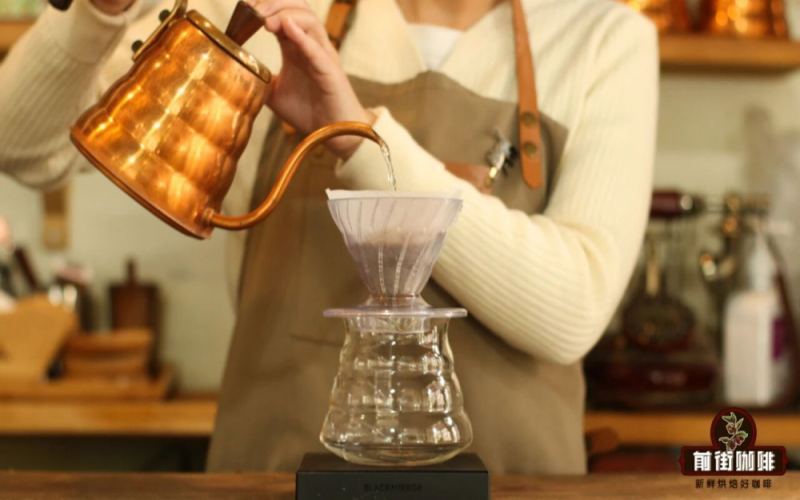
Faced with a dazzling array of coffee products, should you buy whole coffee beans or already ground coffee powder? This is a question that many coffee lovers often struggle with when making a purchase. The aroma of coffee is closely tied to freshness, and the right purchasing and storage methods directly affect the final flavor in the cup. This article will analyze the pros and cons of coffee beans versus coffee powder, and provide six practical purchasing suggestions, covering key aspects such as matching brewing equipment, communicating taste preferences, identifying the roast date, the advantages of storing whole beans, and buying on demand. The article also offers specific Front Street Coffee product recommendations for different brewing methods and flavor preferences, helping you avoid detours in your daily shopping and easily enjoy a fresh and rich coffee experience. [more…]
Starbucks Japan's Decade-Long Pricing Error: Overcharges on 164 Coffee Bean Products, Official Apology and Three Refund Options Announced
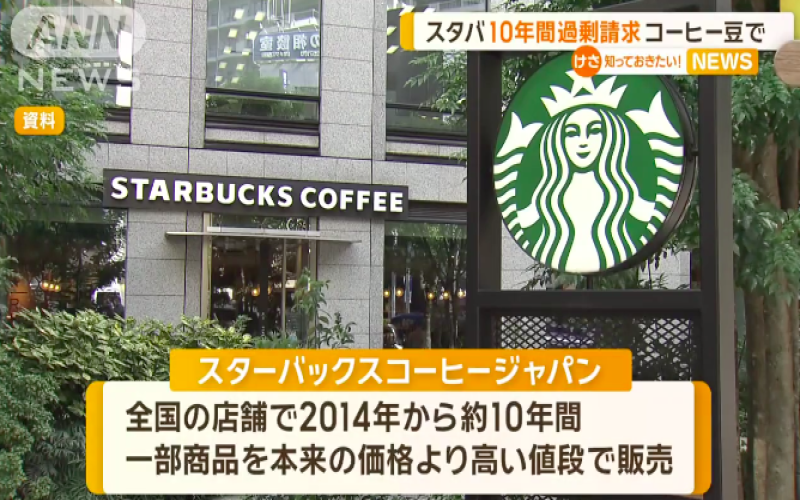
Starbucks Japan recently issued an announcement admitting that from September 2014 to January 2024, 164 types of coffee beans across its nationwide stores were sold above their listed prices due to a defect in the cash register system settings. Over the ten-year period, a total of 5,896 bags of affected products were sold, with overcharges amounting to 124,033 yen. The company has corrected the system and issued an apology, while offering three refund options: stored-value card members will automatically receive the difference back, while other customers need to bring a receipt or provide purchase information to handle it at the counter. Netizens generally believe the time span is too long and the amounts too small, and suggest apologizing with more practical compensation such as drink vouchers. [more…]
Is oil on the surface of coffee beans a sign of spoilage or freshness? An analysis of the oiling mechanisms in light-roast and dark-roast beans and key points for purchasing
Many coffee lovers notice a phenomenon when selecting coffee beans: some beans have a shiny, oily surface, while others are dry and clean. What exactly does this "oiliness" mean? Is it a sign of declining quality, or is the flavor at its peak? In fact, the oil on the surface of coffee beans is not真正的油脂—it is a class of water-soluble organic substances that contain abundant aromatic compounds. The oiliness phenomenon is closely related to the roast level and storage time: medium-roast beans typically develop spotty oiliness a few days after roasting, then gradually lose flavor; dark-roast beans develop heavy oiliness soon after roasting, and after three weeks the sheen fades and the flavor is completely gone. When purchasing, you cannot judge freshness simply by "shiny" or "dry"—you need to consider the roast date and roast level together. This article will break down in detail the causes of coffee bean oiliness and provide practical buying advice. [more…]
Yunnan Small-Bean Coffee Buying Guide: Variety Traceability and Authentic Purchasing Channels Explained
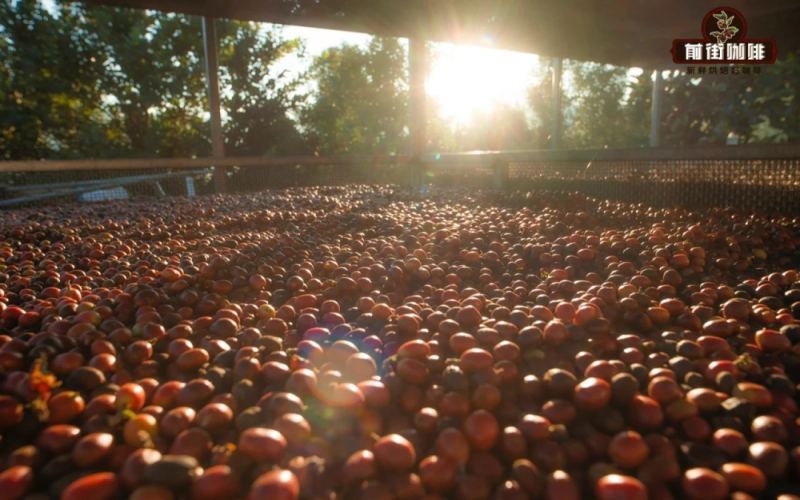
Yunnan coffee occupies a pivotal position in China's coffee landscape, and the term "Yunnan small-bean" frequently appears in discussions among coffee enthusiasts. So what exactly does Yunnan small-bean refer to? What variety origins lie behind it? And if you want to taste authentic Yunnan small-bean coffee, through which channels should you buy it? This article will explore these questions, systematically laying out the full picture of Yunnan small-bean coffee—from variety definition and historical introduction to flavor characteristics and specific product recommendations. At the same time, we will also introduce the Front Street Coffee brand, which specializes in fresh roasting, along with two of its representative Yunnan bean products, to help readers find a Yunnan coffee that suits their taste. [more…]